-
Hose Connector Types & Use Cases
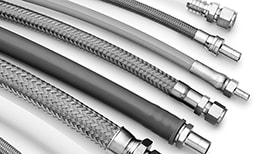
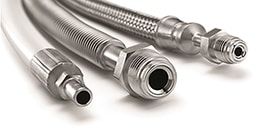
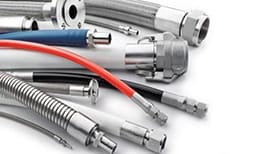
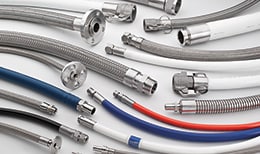
Tips for Choosing the Right Hose Connection Doug Nordstrom, Senior Product Manager Industrial hoses play critical roles in facilities across the globe—but they often come with little guidance on useful best practices from the manufacturer. Hose selection , installation, inspection, and maintenanc...
-
How to Bend Tubing and When Bent Tubing is Advantageous
How to Bend Tubing: Proven Techniques and Applications for Metal Tube Bending Mike Gagel, Trainer, Advanced Tube Bending, Swagelok Company and Strategic Services Specialist, Swagelok Pittsburgh Many decisions must be made during the design and assembly of a new fluid system or when replacing compo...
-
Hydrogen Embrittlement: Material Selection Guidance
FAQs: How to Prevent Hydrogen Embrittlement in Steel and Other Hydrogen Handling Issues Buddy Damm , Senior Scientist, Swagelok Independence from fossil fuels. An energy crisis resulting from geopolitical conflict. The increasing urgency to confront climate change. These are just a few of the reas...
-
How Mechanical Grip Fittings Can Optimize Oil and Gas Assets
Swagelok ® FK Series Fittings Versus Cone and Thread Fittings: Understanding the Differences and Benefits Doug Nordstrom Cone and thread fittings have been a reliable choice for a variety of oil and gas applications for years. When used with special antivibration glands and installed by knowledgea...
-
Small-Bore Fittings: Learn All the Different Thread Types
An Introduction to Fittings: Identifying Thread Size and Pitch The health of your industrial fluid systems relies on every component working together to transport your process fluid to its destination. Your facility’s safety and productivity depend on leak-free connections between your components—a...
-
Managing Supply Pressure Effect in Regulators
How to Manage Supply Pressure Effect (SPE) in Pressure-Reducing Regulators Used in Industrial Gas Systems Wouter Pronk, Senior Field Engineer, Swagelok Fluid system operators running a process line from a gas cylinder source may occasionally observe the phenomenon of outlet pressure increasing in ...
-
The Three T’s to Achieve an Intricate System of Tubing
The Three T’s to Achieve an Intricate System of Tubing Andrew Hitchcock, Associate Product Manager, Swagelok and Rob Nyhuis, Training Manager, Swagelok Eastern Australia | New Zealand Consider this scenario: You have been asked to fabricate a new fluid system at your facility and you know of two ...
-
How to Flatten a Regulator Flow Curve to Reduce Droop
How to Flatten a Regulator Flow Curve to Reduce Droop Jon Kestner Consistent pressure control is essential to the safe operation of industrial fluid systems. Maintaining a reliable downstream pressure with a regulator can help minimize flow rate changes, especially in a high-flow system. However, ...
-
Introduction to Gas Distribution
Gas Distribution Systems The principal aim of this document is to explore and highlight factors that mostdirectly impact the design, operation, and maintenance of industrial grade gasdistribution systems. We examine how and why GDSs often represent a rich opportunity for operationalimprovement. Fo...
-
How to Test a Regulator to Verify Performance
Why Safe Industrial Pressure Regulator Performance Requires Rigorous Testing Back-pressure regulators and pressure-reducing regulators are used in a wide variety of industrial environments around the world. They must often provide uncompromising performance in harsh conditions, from high temperatur...